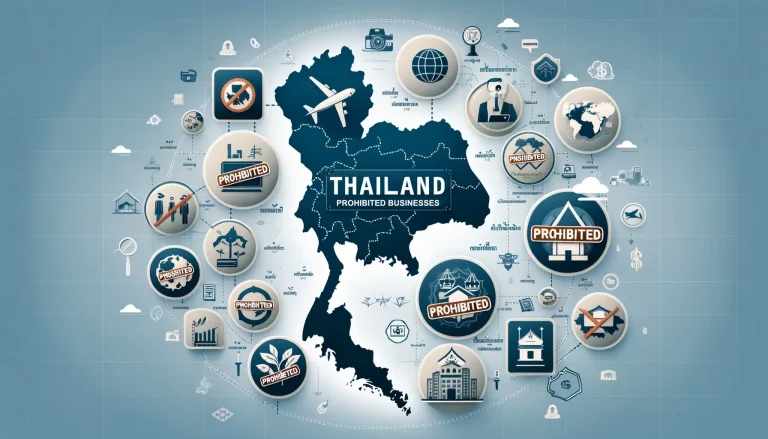

Foreign Land Ownership Thailand: What Foreigners Can & Cannot Own

Foreign land ownership Thailand is one of the most important legal topics for foreigners who want to buy, build, lease, invest in, or protect property in Thailand. Many foreign buyers hear simple answers such as “foreigners cannot own land” or “just use a Thai company,” but the reality is more detailed and more sensitive than that.
Thailand does restrict foreign ownership of land. However, foreigners may still have lawful options depending on the type of property, the structure used, the purpose of the investment, and whether the arrangement is genuine or merely designed to avoid Thai law.
For foreigners buying land Thailand, the biggest mistake is assuming that a structure is safe because “everyone does it.” That is not how Thai property law works. A structure that looks normal on paper can still be challenged if the real ownership, funding, control, or benefit belongs to a foreigner while Thai names are used only for appearance.
This article explains what foreigners can and cannot own, what alternatives exist, and when a legal review is strongly recommended.
Can foreigners own land in Thailand?
As a general rule, foreigners cannot freely own land in Thailand in their personal name. Thai land law restricts foreign land ownership unless a specific legal exception applies.
In practical terms, this means that a foreign individual should not assume that they can simply buy freehold land the same way they might in Europe, the United States, Australia, or other jurisdictions.
There are limited exceptions under Thai law, but they are narrow and not the normal route for most foreign buyers. In most residential or villa situations, the realistic question is not “How can I directly own Thai land?” but rather:
How can I legally protect my rights, investment, and use of the property without violating Thai law?
This is where leases, usufructs, superficies, carefully reviewed company structures, and properly drafted agreements become important.
Legal source note: Thailand’s Land Code contains restrictions on foreign land acquisition and exceptions subject to legal requirements and government permission.
Can foreigners own a condominium in Thailand?
Yes, foreigners can own condominium units in Thailand, provided the condominium falls within the foreign ownership quota.
The well-known rule is that foreign ownership in a condominium project is generally limited to 49% of the total unit area of all units in that condominium. This makes condominiums one of the clearest and most common ownership options for foreigners in Thailand.
However, foreign condominium ownership still requires proper due diligence. A buyer should check:
A condominium may be easier than land ownership, but that does not mean it is risk-free.
Can a foreigner own a house in Thailand?
A foreigner may be able to own a building or house separately from the land, depending on the legal structure. This is an important distinction in Thailand property law for foreigners.
Land and buildings can, in certain situations, be treated separately. For example, a Thai person may own the land, while a foreigner may have rights in the structure built on that land. However, this must be properly documented and, where appropriate, registered.
The mistake many foreigners make is paying for a house built on land owned by a Thai partner, spouse, friend, or company, without any registered legal protection. If the relationship later breaks down, or if the landowner dies, sells, becomes insolvent, or changes their mind, the foreigner may face serious difficulty proving or enforcing their rights.
This is where legal structures such as superficies Thailand, usufruct Thailand, or a registered lease may become useful.
Thai company land ownership: legal or risky?
Thai company land ownership is one of the most misunderstood areas of Thai property practice.
A Thai company may be able to own land if it is a genuine Thai company, properly capitalized, lawfully operated, and not merely created as a vehicle to hide foreign land ownership. The issue is not only the percentage of shares. The issue is substance.
A company with 51% Thai shareholding is not automatically safe.
Authorities may look at the real situation behind the paperwork, including:
If the company exists only to allow a foreigner to control land, the structure may be challenged as a nominee arrangement.
This is why foreigners should be very careful with advice such as “just set up a Thai company.” A company structure must be legally and commercially real.
Thailand Nominee Company Crackdown 2026: What Foreign Property Owners Must Know
What is a nominee structure?
A nominee structure usually means that a person is named as shareholder, owner, or rights holder on paper, but the real benefit, money, control, or decision-making power belongs to someone else.
In the property context, this often happens when Thai individuals are listed as shareholders in a company, but they did not genuinely invest, do not participate in the business, do not receive real shareholder benefits, and are only there to make the company appear Thai-owned.
For foreign land ownership Thailand, nominee arrangements are dangerous because they can be seen as an attempt to avoid restrictions on foreign landholding.
If a foreigner uses Thai people only as names on paper, the risk is not just civil. Depending on the facts, company, land, tax, and foreign business law issues may arise.

Can a foreigner buy land through a Thai spouse or partner?
A Thai spouse or Thai partner can own land in Thailand. However, this does not automatically mean that the foreign spouse or partner has legal ownership rights.
This is a very common problem.
A foreigner may pay for land, construction, renovation, furniture, and maintenance, while the land is registered in the name of a Thai spouse or partner. If the relationship remains good, nobody worries. But if the relationship breaks down, the foreigner may discover that payment alone does not equal ownership.
Foreigners in this situation should consider legal protection before money is transferred, not after problems arise.
Depending on the facts, possible protections may include:
Each case must be reviewed carefully. A structure that works for one couple may not work for another.
Lease agreement Thailand foreigner: is a long-term lease possible?
A lease is one of the most common legal tools for foreigners who want long-term use of land or a house in Thailand.
A lease agreement Thailand foreigner structure may allow the foreigner to use the land or property for a defined period without owning the land. For immovable property, registration becomes important if the lease exceeds three years.
In practice, many long-term land leases are structured for up to 30 years, with possible renewal language. However, renewal clauses must be drafted carefully. A promise to renew is not the same as automatically owning rights for 60 or 90 years.
A foreigner should not sign a simple lease template without checking:
Lease Agreement Thailand Foreigner: What Must Be Registered?
Legal source note: Thai law requires certain leases of immovable property to be evidenced in writing and registered if they are to be enforceable beyond statutory limits.
Protect your property investment in Thailand. Closer Law reviews foreign ownership structures, nominee risks, land agreements, leases, usufruct, superficies, rental use, license issues, tax exposure, and villa management arrangements.
Usufruct Thailand: protection for use and enjoyment
A usufruct Thailand structure can give a person the right to possess, use, and enjoy immovable property owned by someone else.
This may be useful where a foreigner does not own the land but needs protection for living in, using, or benefiting from the property. Usufructs are often discussed in spouse or partner situations, especially where land is registered in the name of a Thai spouse.
A usufruct may be created for a period of time or for the lifetime of the usufructuary, depending on the circumstances and registration practice. However, it is not the same as ownership. It must be properly registered and carefully understood.
A usufruct may be useful when the main goal is secure use and occupation of the property, but it may not be ideal for every commercial, rental, or resale situation.
Usufruct Thailand Explained for Foreign Homeowners
Legal source note: Thai Civil and Commercial Code provisions recognize usufruct rights over immovable property, including rights of possession, use, and enjoyment, subject to legal conditions.
What should foreigners review before buying property in Thailand?
Before signing anything or transferring funds, foreign buyers should review the full legal picture.
A proper property review should include:
For Phuket villas, this is especially important. Many foreign owners are not only exposed through land ownership structures, but also through short-term rentals, hotel license issues, construction compliance, tax filings, and villa management arrangements.
When should you speak with a property lawyer in Phuket?
You should speak with a property lawyer Phuket buyers can rely on before signing, paying a deposit, setting up a company, or placing land in another person’s name.
This is especially important if:
A real estate lawyer Thailand review should not only look at the contract. It should look at the full structure: ownership, control, use, rental activity, licenses, taxes, succession, and exit strategy.
Conclusion
Foreign land ownership Thailand is not impossible to navigate, but it must be handled correctly. Foreigners generally cannot freely own land in their personal name, but they may have lawful ways to protect their investment and use of property through condominium ownership, registered leases, usufruct, superficies, carefully reviewed company structures, or properly drafted private agreements.
The key is not to copy what others have done. The key is to understand what the law allows, what the structure is really meant to achieve, and whether the documents match the reality.
If you are a foreigner buying land Thailand, buying a villa, using a Thai company, investing with a Thai spouse, or reviewing an existing property structure, Closer Law can help assess the legal risks and available protection options.
Stay Informed with Closer Law
Our team is ready to help you make the most of these new opportunities in Thailand. Get in Touch by sending us a message using the box in the sidebar on the right.